Learning from the Amazon: Reflections from the ITC SME Delegation at COP30
By Sourabh S Sindhe
Founder & CEO, OMG
Part of the International Trade Centre Delegation through YECO 2025
A journey that deepened understanding
Arriving in Belém for COP30 as part of the International Trade Centre (ITC) SME Delegation, I was immediately struck by the energy and purpose in the air. This global convergence was not just about policy; it was about people, place, and possibility. My journey with ITC reminded me that COP30 in Belém has been a transformative experience that underscored the essential lesson: sustainable change begins when local communities, enterprises, and youth are empowered to shape and lead climate solutions on the ground.
For a young organisation like OMG, which connects children to nature through experiential learning, this was more than a global forum. It was a rare chance to see climate action from the perspective of those living in the Amazon, learn how small enterprises survive, and meet leaders shaping trade and value chains.
This journey was possible through the YECO 2025 program, in collaboration with the G20 Global Land Initiative, and I remain deeply grateful for this partnership.
Understanding sustainability through community
ITC organised a field immersion into the Marajó region of the Amazon.
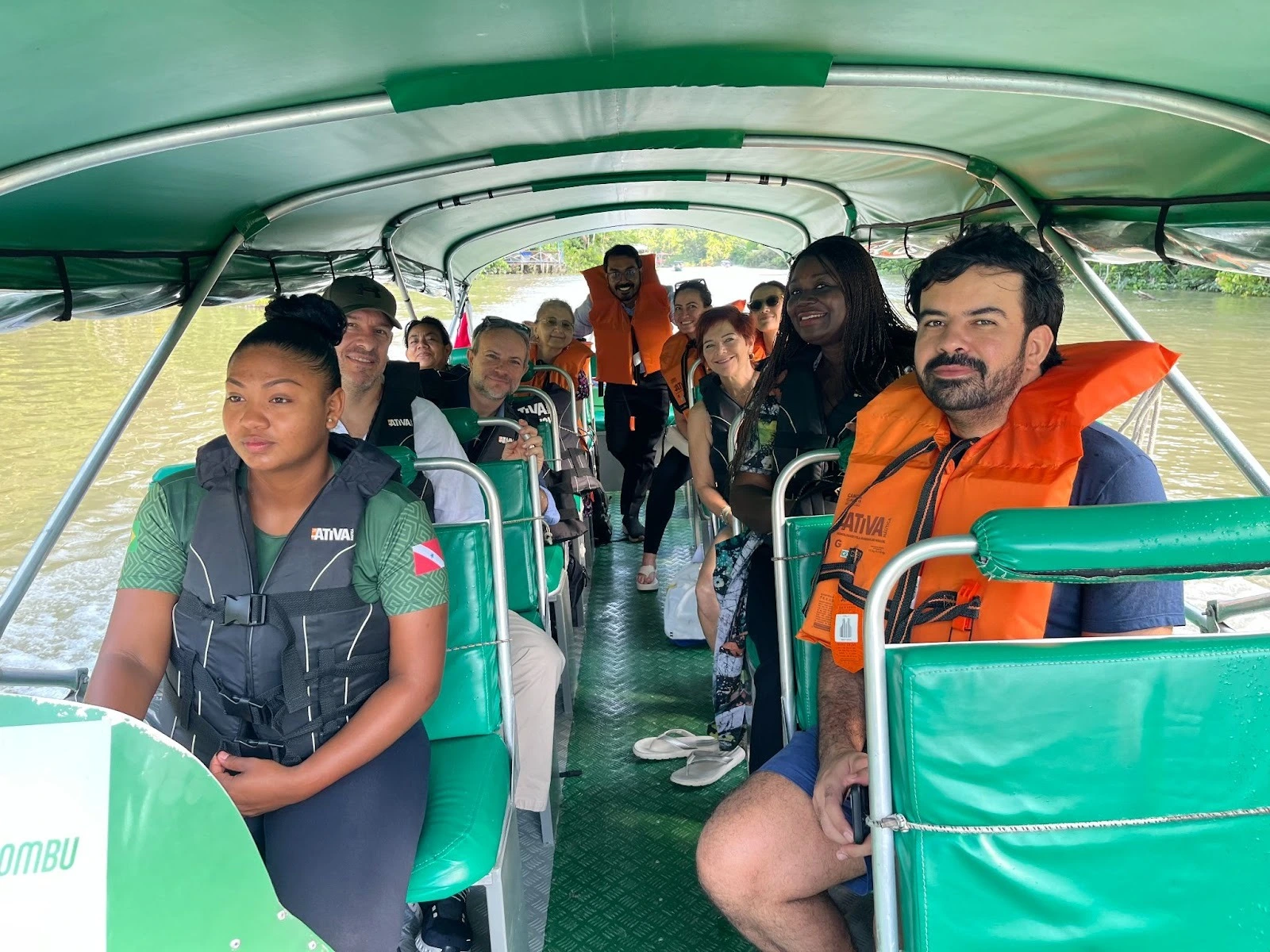
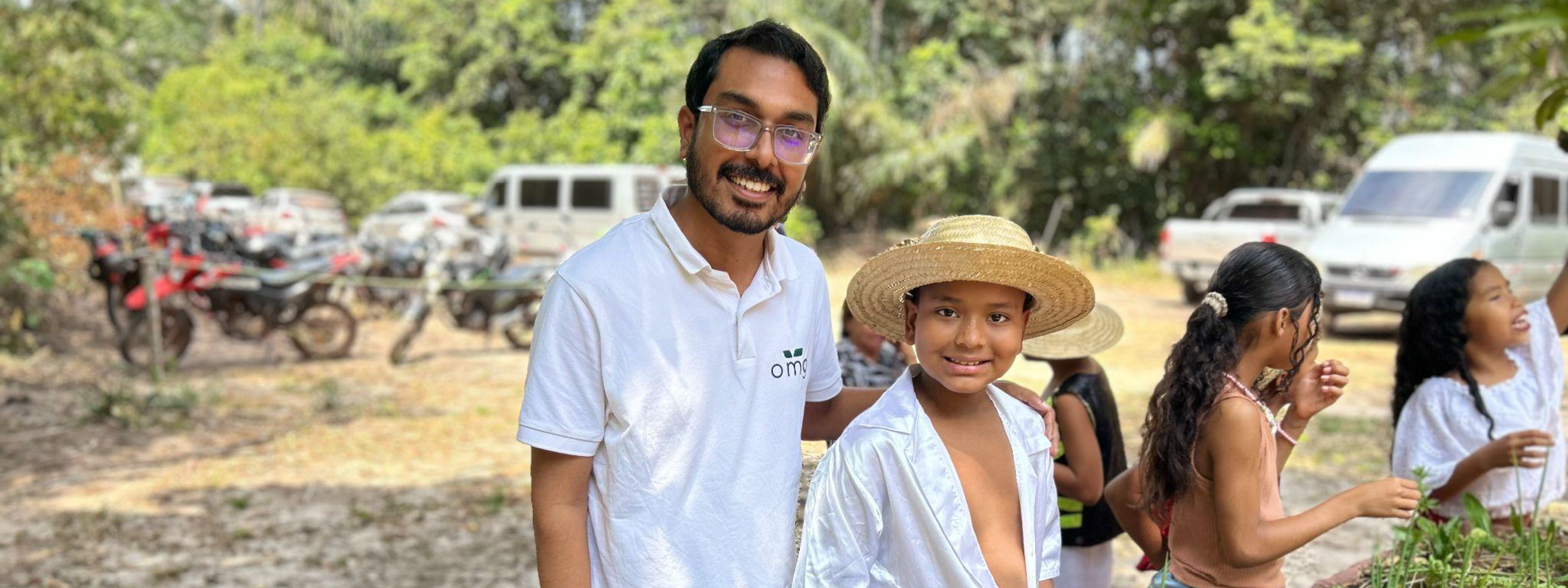
We traveled by boat across peaceful stretches of the river, where the rust-colored water shimmered under the sun. The rhythmic splash of the paddle against the surface added to the journey's tranquility. As we neared a small indigenous settlement, I was moved by the sight of children laughing and singing along the banks, a reminder that hope and joy persist, even amid daily challenges. Their warm welcome and a story from one elder about how the forest provides for every family left a lasting impression.
We met families whose relationship with land is not theoretical. It is lived daily.
Children sang, communities welcomed us, and their stories underscored a core truth: Land restoration is not only policy; it is a daily experience of survival.
We saw how organisations like Embrapa and Conexsus work closely with these communities, helping them build small rural enterprises, providing training, and giving them tools to protect both their livelihoods and their landscapes. These grassroots efforts are vital, yet they also operate within larger economic systems where global market demands drive issues like deforestation and fair trade. By linking local initiatives with these broader economic forces, we can advocate for structural changes that support sustainable practices.
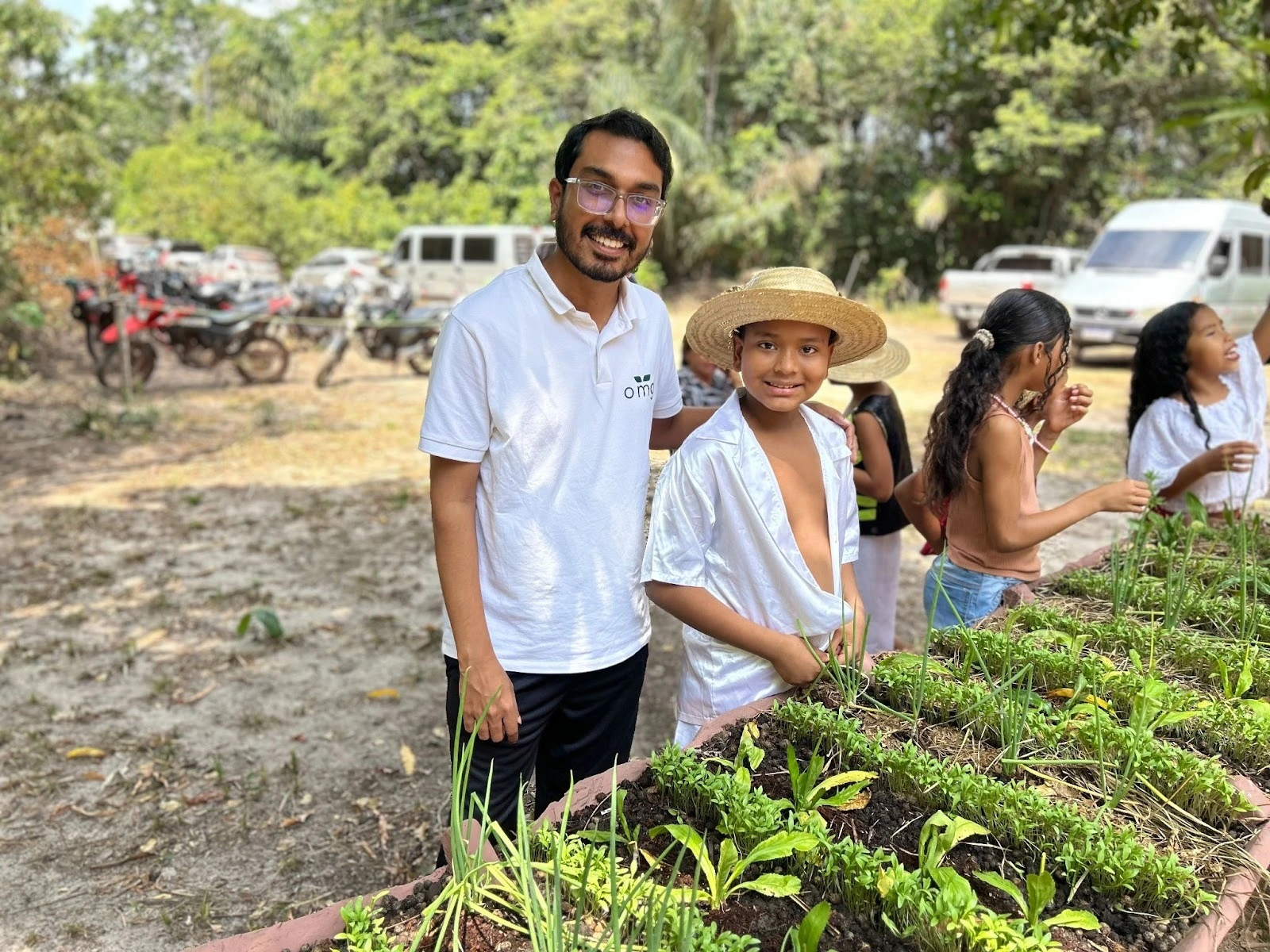
For me, this was a striking reminder of how climate resilience begins at the grassroots level, and how youth-led programs like OMG can accompany these efforts by strengthening environmental learning from early years.
The SME perspective: value chains rooted in real lives
Our ITC delegation explored small but impactful enterprises in the region.
This included:
- A women-led cooperative, producing sustainable local products with a sense of pride and ownership.
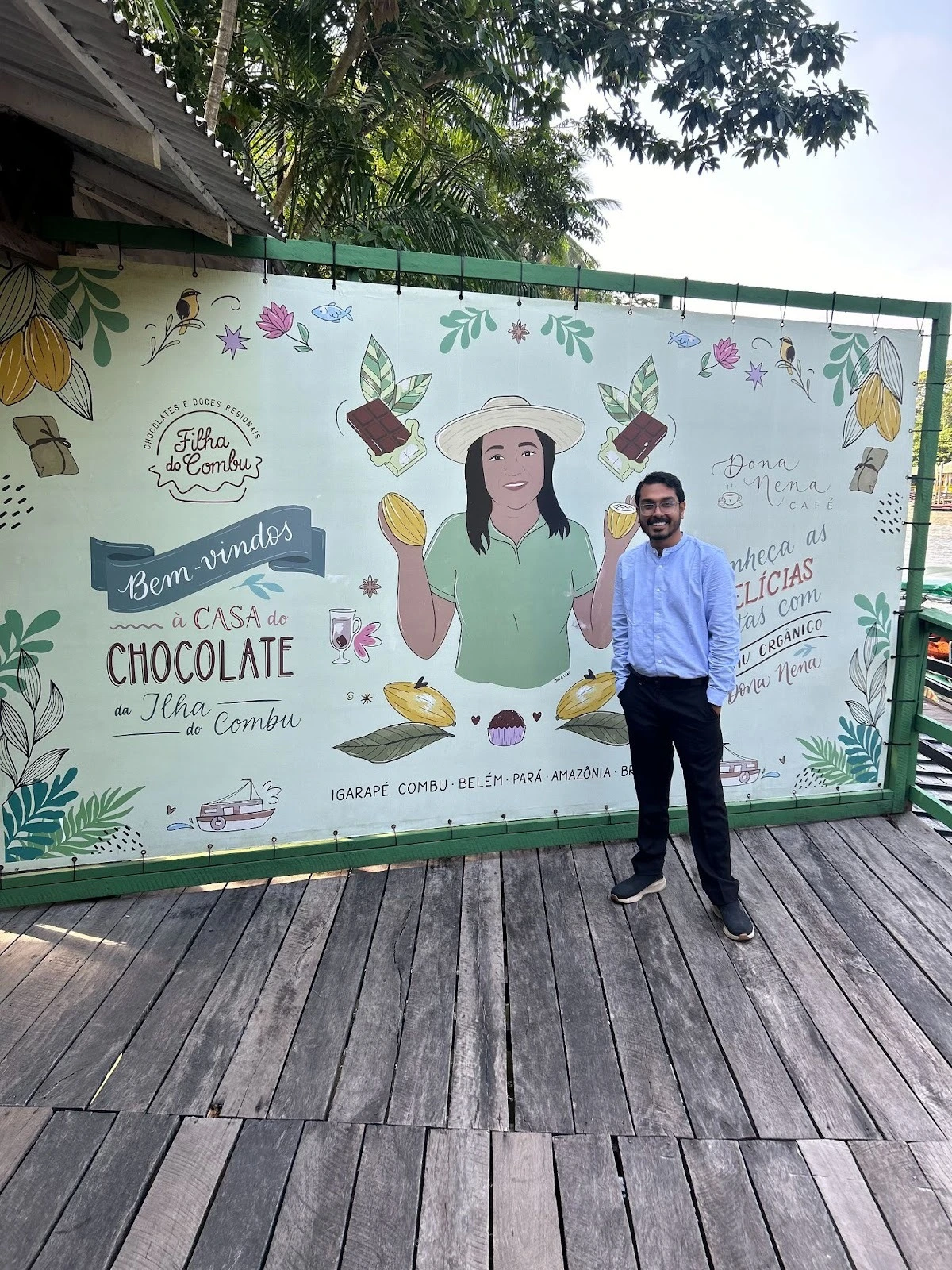
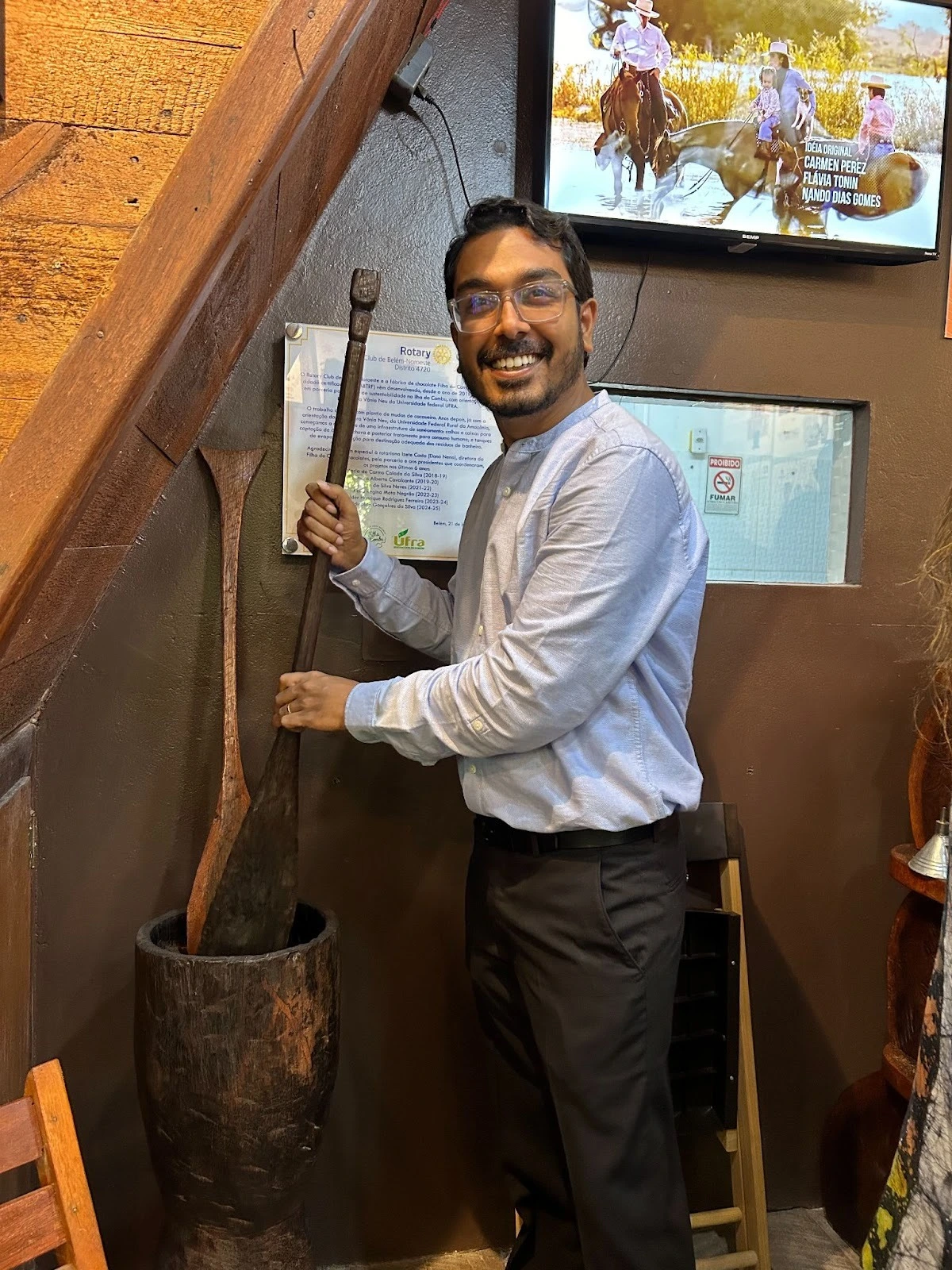
- A heritage chocolate enterprise, one of the earliest in the region, where quality, land stewardship, and identity come together in each product.
- Açaí harvesting communities, whose connection to land and rivers reflects resilience and generational knowledge.
These visits provided not just observations but meaningful lessons.
These visits were more than tours. Listening to a cooperative leader explain, "Every product tells a story of our land and our ancestors," I understood how ITC strengthens sustainable value chains for communities shaped by geography, ecosystem, and history.
For a young entrepreneur like me, these insights shape how we imagine the future of local food systems in India and the Pacific. They also show that smallholder communities already have solutions ones that simply need support, visibility, and investment.
Learning from leaders and peers
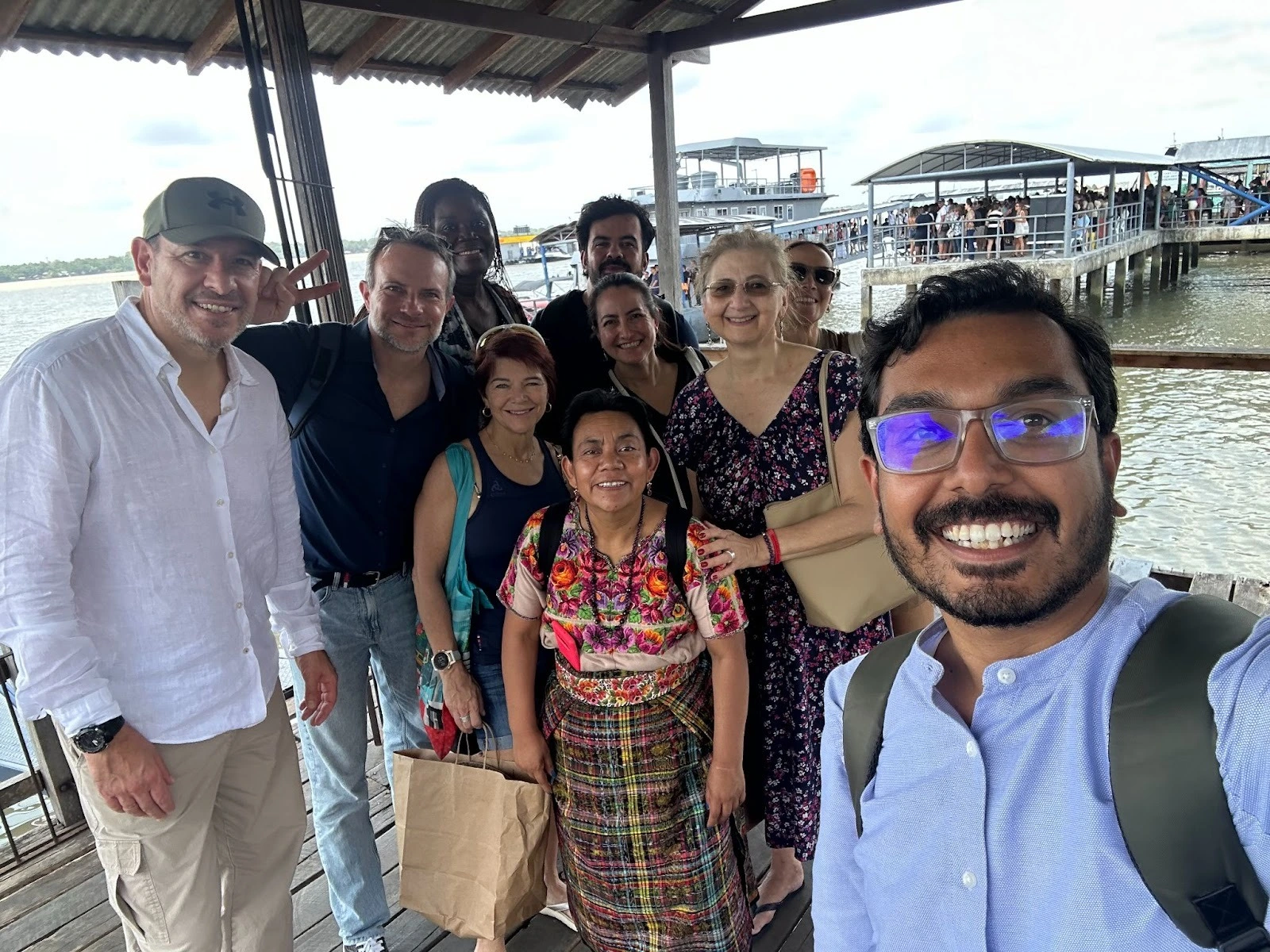
Throughout this journey, I had the privilege of spending time with the ITC delegation:
Mathieu Lamolle, Senior Advisor, Sustainable Global Value Chains
Matias Urrutigoity, Chief, Office for Latin America and the Caribbean
João Martins, National Consultant for ITC at COP30
Camila Villas, Programme Officer, Fibres, Textiles & Clothing
Each interaction was a moment of learning.
Their clarity and commitment to small businesses offered a new view on climate action and trade. One particular conversation with Mathieu Lamolle, who emphasized, "When we prioritize people's needs, policies will naturally support them," left a lasting impression. By watching their community engagement, it became clear that sustainability must put people first before policy.
For OMG, this journey inspired us to think deeply about three key aspects: learning directly from community experiences, building youth capacity for climate action, and recognizing that restoration is a collaborative effort.
How can we build education and climate action around real community stories and lived experiences? And how can youth and organisations work together to gain agency and create solutions for land and climate challenges?
These questions guide our next steps at OMG: building Nature Labs in schools, encouraging children to grow food, observe ecosystems, and understand their role in the planet's well-being.
- Education must be from lived experiences.
- Sustainability education improves when informed by authentic community stories.
- Youth capacity building is essential.
- Youth gain agency in climate work by understanding genuine value chains and community realities.
- Restoration is collaborative.
- Meaningful change requires diverse organizations partnering to address land and climate challenges together.
This learning inspires us to turn these lessons into action, helping more children connect with nature and contribute to the planet’s wellbeing.
As COP30 continues, this experience is not just memorable; it exemplifies the power of youth-led learning, community connection, and global action to drive effective climate solutions rooted in real lives.
It brought together youth innovation, community knowledge, and global leadership into one shared space.
I invite readers, policymakers, educators, and youth alike to champion youth-led, community-centered approaches as crucial drivers for progress in climate action, land restoration, and sustainable trade, especially in the Global South.
And I extend my gratitude to the G20 Global Land Initiative, YECO 2025, and the International Trade Centre for making this learning journey possible.