

Meet Camila Saa: The Entrepreneur Using Satellites and AI to Protect Our Planet
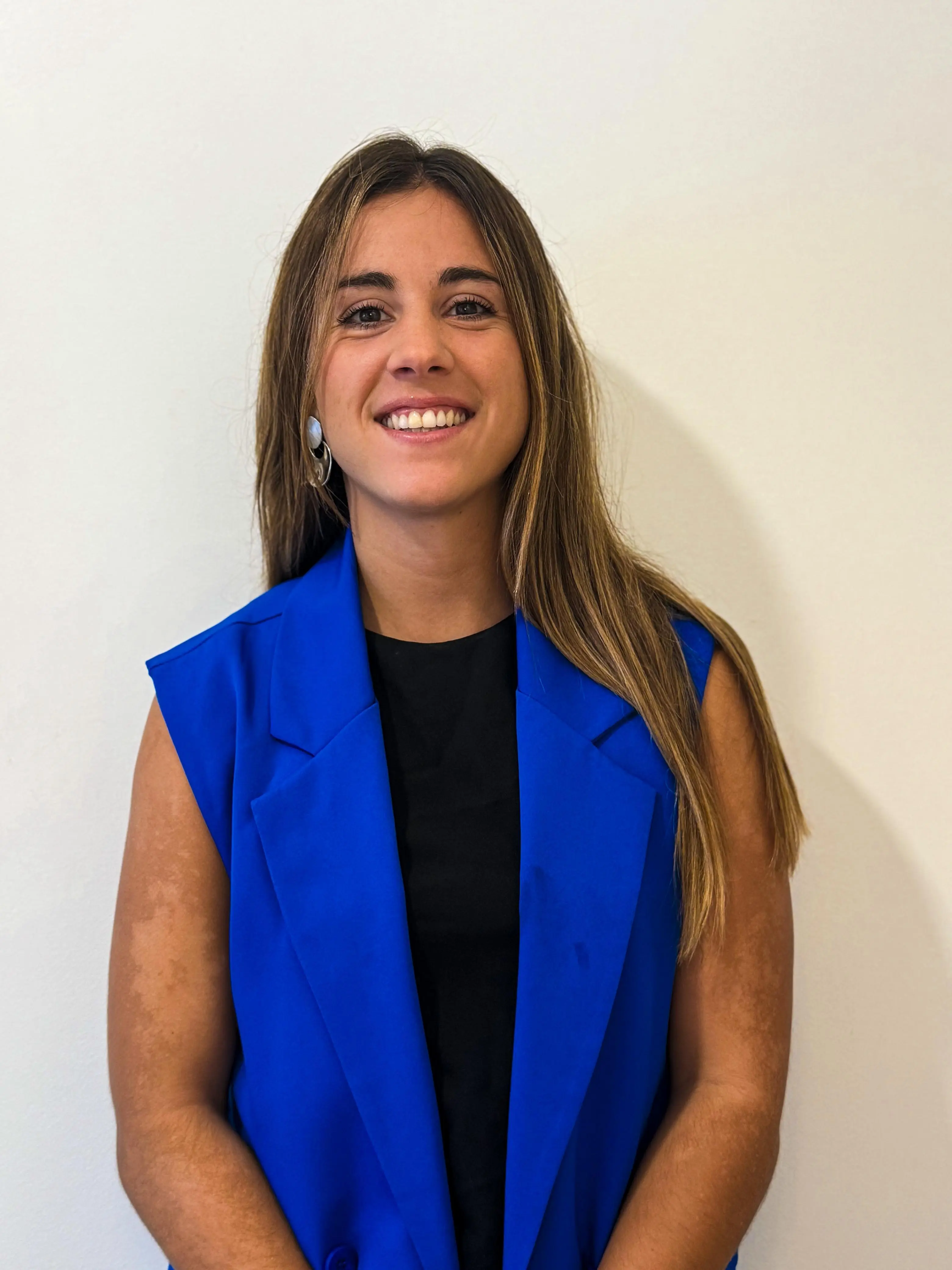
Camila Saa is the COO of Satellites on Fire, a pioneering startup that uses AI and satellite imagery to detect wildfires early and prevent their spread. Born and raised in Buenos Aires, Argentina, she has a background in business administration and finance. Her journey into climate tech was personal: in 2020, she witnessed family and friends lose their homes to wildfires, which are among Argentina’s biggest natural threats, along with floods. Recognizing that existing systems were reactive and too slow, Camila and her team started Satellites on Fire to address this urgent challenge.
The startup combines proprietary AI models with satellite imagery, weather forecasts, and cameras to detect fires faster than other systems, including NASA’s widely used platform. For instance, their system once detected a wildfire in an Argentine national park two hours earlier than NASA’s system. While anyone can see wildfire risks via the app, clients receive direct alerts via text or WhatsApp, including exact coordinates and weather forecasts, enabling them to act quickly to stop fires.
Currently, Satellites on Fire has 50,000 app users and 29 active clients across Argentina, Ecuador, Panama, Paraguay, and the Philippines. Their vision extends beyond Latin America to a global scale, as wildfires are a worldwide problem. Camila’s goal is to expand the system globally while maintaining a strong, impactful technology.
Camila’s entry into the YECO Programme was motivated by the program’s global initiative and the opportunity to connect with other young entrepreneurs tackling real-world problems through technology. She was inspired by a friend in the startup community who shared her positive experience with YECO, highlighting the value of learning from peers worldwide. Though she had only attended two sessions at the time of the interview, she looked forward to meeting fast-track entrepreneurs and sharing experiences.
Over two years, Satellites on Fire grew from a team of four to 16 people, demonstrating rapid growth and scalability. They have already raised $850,000, backed by MIT, the UN Green Climate Fund, and the co-founder of Reddit, and are preparing for a seed round of $1.5 million USD by the end of the year and early next year. MIT supported them via an equity-free grant, which enabled them to develop technology to protect a specific natural reserve in Argentina. The team has also developed wildfire simulation systems to better predict and prevent damage, leveraging drones and AI technologies.
Camila highlighted the complementary strengths within her team: while she manages the business side, two co-founders focus on technology and programming, and external experts from NASA and ESA assist in developing their proprietary AI model. Their technology now detects wildfires on average 35 minutes faster than other systems.
She emphasized that raising funds is challenging but educational. Convincing investors requires proof of impact, team capability, and a compelling pitch, even when the startup lacks full traction. She shared that networking, particularly via LinkedIn connections from YECO, provides opportunities for mentorship, partnerships, and investor introductions, which are vital for scaling globally.
Camila reflected on her journey from corporate jobs to founding a startup. Initially, she worked in multinational companies like HSBC and ExxonMobil, but found limited personal impact. Transitioning to a startup environment allowed her to apply her business knowledge meaningfully, from financial management to strategic decision-making, and contribute directly to societal impact. She emphasized the equal importance of technology expertise and business acumen in creating successful, impactful solutions.
Through Satellites on Fire, Camila aims not only to combat wildfires but also to empower communities and ecosystems, demonstrating how innovative technology, combined with business strategy, can address urgent environmental challenges while scaling globally. Her story exemplifies vision, resilience, and the power of combining personal motivation with technological innovation to solve critical global issues.
Interview conducted and written by Hassan Alam (UN Volunteer, 2025)